
- Aromas are responsible for nearly 90% of what we perceive in wine.
- Wine consists of over 200 different complex chemical compounds – similar to those found in fruits, vegetables, spices, and herbs.
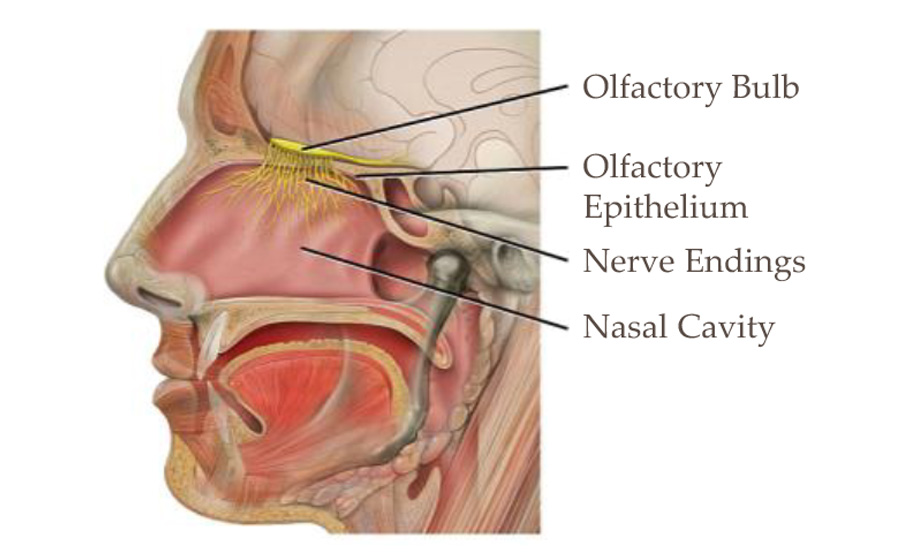
- These volatile esters are carried by thousands of nerve endings from the olfactory epithelium to the brain.
- In wine speak, aromas are broken into 3 Categories: Primary · Secondary · Tertiary
Mastering Wine Aromas
Primary Aromas
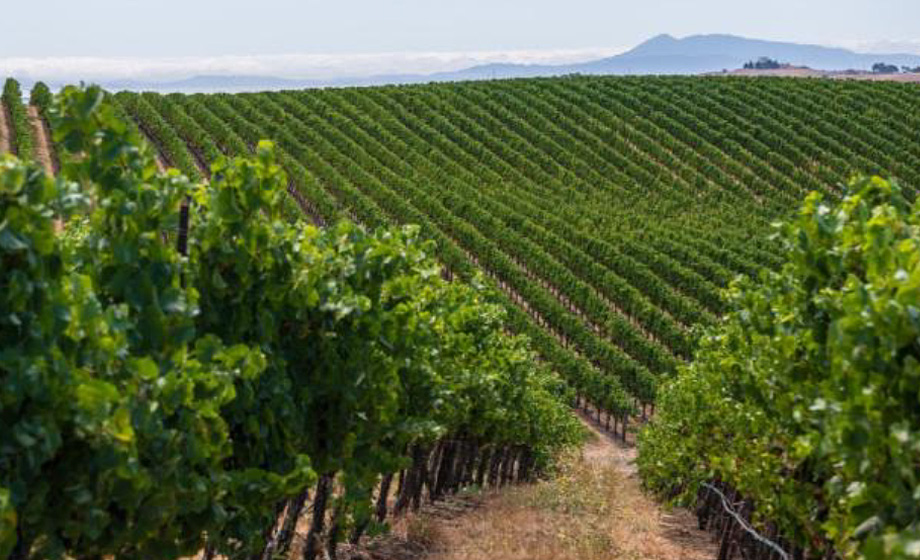
Aromas created by the grape variety and/or the environment in which it is grown (Terroir)
- Fruit aromas: pear, apple, blackberry, etc.
- Herbal aromas: eucalyptus, tomato leaf, etc.
- Terroir aromas: mineral, earth, flint, limestone, etc.
Secondary Aromas
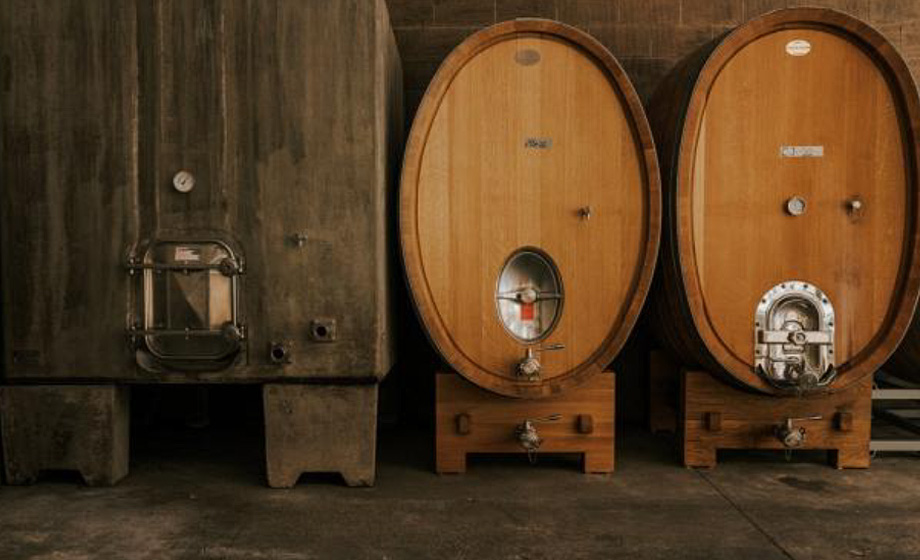
Aromas created through winemaking
- Use of barrel: spice, wood, smoke, vanilla
- Malolactic fermentation: butter, cream
- Sur lie aging: yeast, brioche
- Carbonic maceration: bubble gum, banana
* Off-aromas are considered secondary, associated with unsoundwinemaking practices
Tertiary Aromas
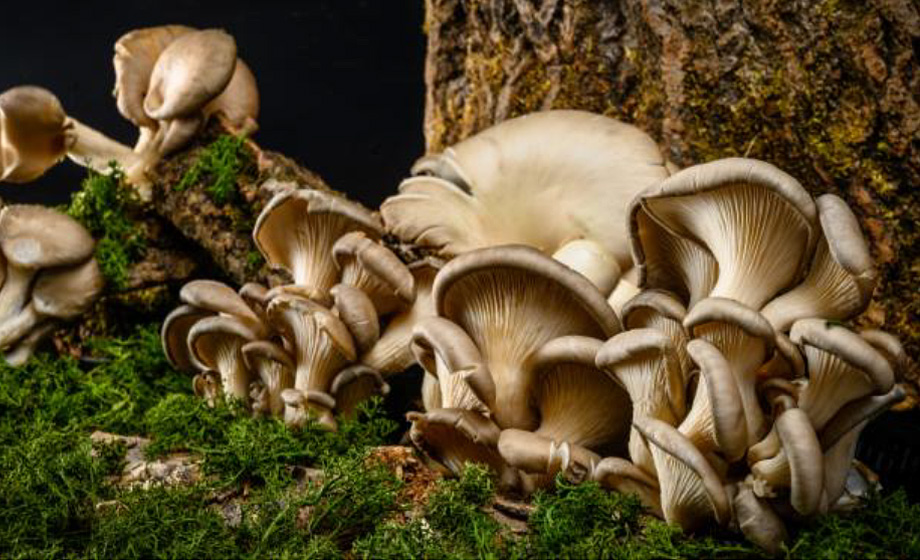
Complexities that develop as the wine ages in an ideal environment
- Red wines: Dried fruit, leather, cigar box, forest floor, mushrooms
- White wines: dried apricot, honey, petrol
* Bouquet: term for the unique set of aromas that develop during the fermentation process, as well as through extensive aging
Off Aromas
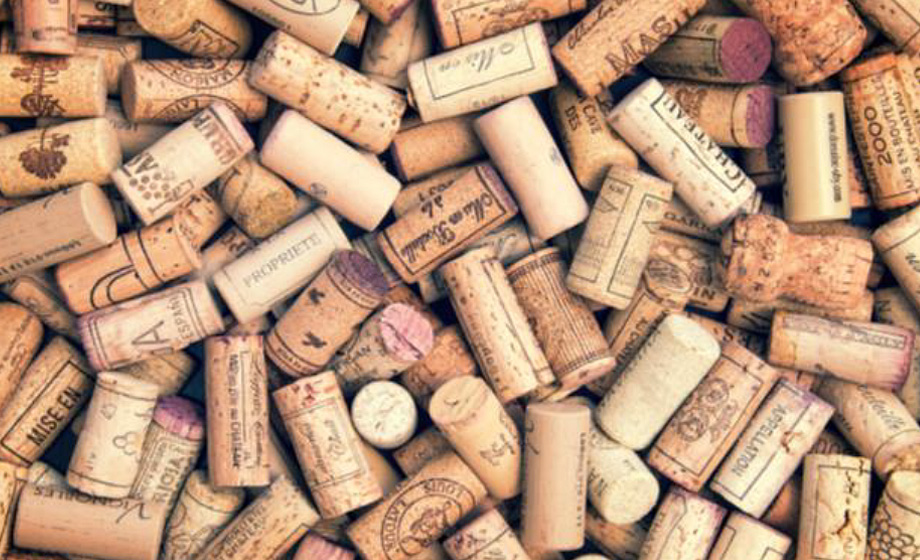
Wine is susceptible to many influences that can cause off aromas including:
- Improper storage or careless movement
- Bad cellar hygiene
- Overuse of sulfur
- Air-borne microbiological spoilers
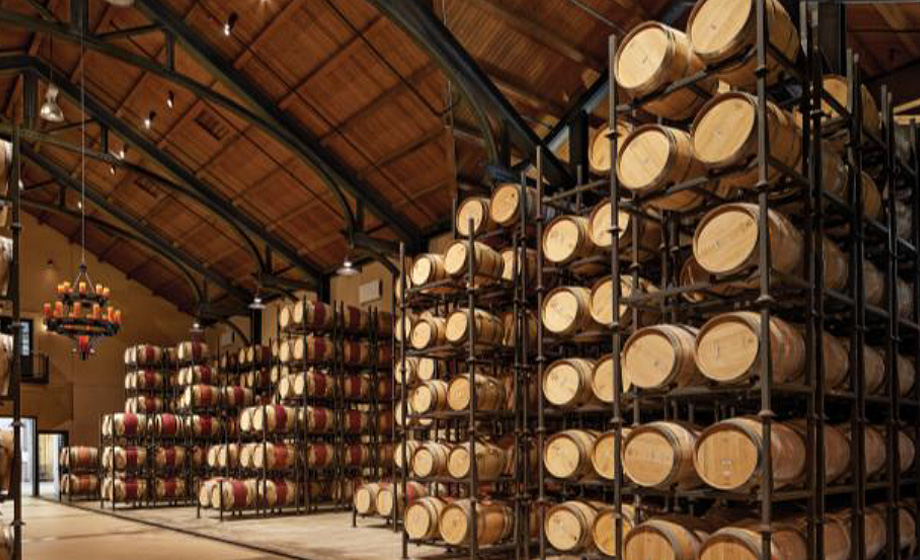
Main Offenders:
- 2, 4, 6-Trichloroanisole (TCA): referred to as a corked wine; commonly found in natural cork (can also develop in barrels, wooden pallets, cardboard, etc.) creating a mildew, moldy earth, wet newspaper aroma
- Brettanomyces (Brett): yeast generated from unsanitary conditions can give aromas of horse, barnyard, or Band-Aid aromas
- Acetic Acid: vinegar aroma
- Ethyl Acetate: glue, or nail polish remover aromas
- Mercaptan (hydrogen sulfide): rotten egg, onion, or sulfur aromas
Oak Aging
Oak is one of the most common sources of secondary aromas.
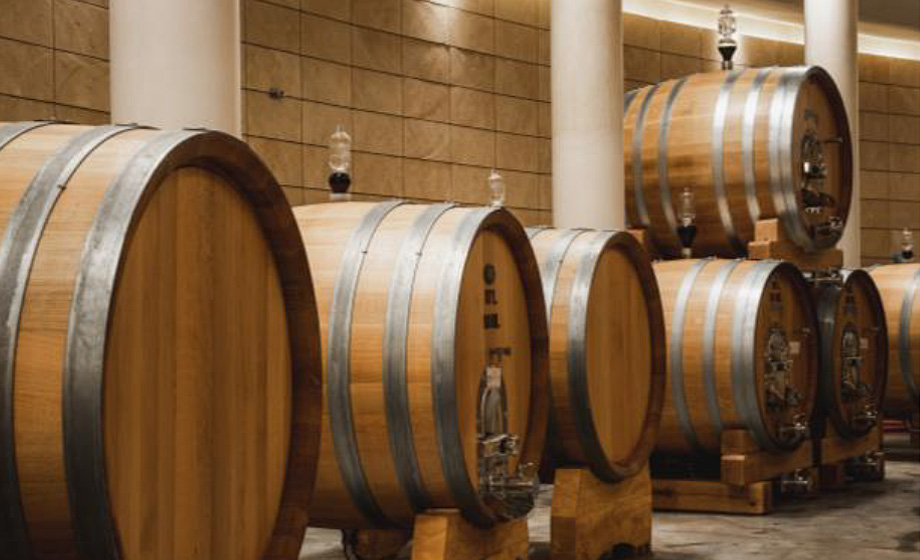
French Oak
- Grown in 5 major forests in France that are strictly regulated by government
- 2 Oak Species: Quercus robur&Quercus petraea
- Tighter grained gives delicate aromas of clove, toffee, coffee, cocoa
American Oak
- Typically taken from forests in Minnesota, Missouri, and Oregon
- Oak Species: Quercus alba
- Imparts many sweet or floral aromas ofvanilla, coconut, dill, smoke
